Thursday, November 21, 2013

What Is Turmeric?


Turmeric is a tender perennial herbaceous that grows in zones ten to eleven. It grows to twelve to twenty-four inches tall.

Turmeric is used for a powerful due that for paper and fabrics, and it can be used medicinal. It is a delicious spice that is often used in curries.

Turmeric likes to grow in a prefers a shady, moist habitat., . It  is a tropical plant that likes to grow in tropical forests.

This herb is propagated by root divisions. I divide a fresh root of turmeric into pieces, and one of the pieces has an eye because this is where to root will sprout. Plant each piece side by side and I will plant the root pieces about two inches. I will need to keep the pot in a warm place and keep the soil evenly moist. Turmeric takes a long time to sprout. The plants needs to be spaced between fifteen to twenty-four inches apart. If I decide to grow turmeric in a container, I have to plant the turmeric in a pot that is fifteen to twenty-four inches in diameter and about eight inches deep.  I water the soil to keep it moist, but not real soggy.

The soil needs to be rich in organic matter and the soil needs to be sandy. When I am growing turmeric in a container, I will provide a loose potting soil mix.

Turmeric is a herb, that does good in a herb that does good in a container. They will  also grow good on shady patio or under trees. Turmeric grows real good in food garden, and I raise it indoors also.

Turmeric needs to be harvested in midwinter. I will need to be cut back the leaves and unearth the roots, taking all the soil away. I will need to use a needle-nose spade or garden fork to take the roots out. I will  harvest what I want and then I will replant the rest.

The root will yield a bright yellow-orange dye that is used to tint fabrics and paper.

So turmeric is a very good herb to have around because of the great benefits.


Wednesday, November 20, 2013

What Is Yellow Wild Indigo?


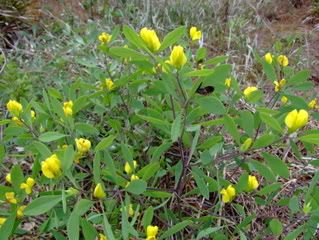
It is a perennial member of the pea family. Yellow wild indigo is a lovely bush too. This plants have a very showy, bright yellow, lupine-flowers and they have striking, marble-shaped seed pots. When the yellow wild indigo is established they should not be disturbed, because they have an extensive root system. The yellow wild indigo is drought tolerant. Baptise is a good choice for the Southerns gardeners like me, because it will thrive in the hot South.

This plant is a native herbaceous perennial and it grows in zones 5 to 8. There are golden yellow in color and they grow to two to three feet tall. They like to be planted where they are in full sun to part shade. They bloom from April to June. Some of the cultivator are 'Screamin Yellow'. ' Homestead Purple', pink evening primrose, blue false indigo, and lance leaf coreopsis.


This yellow wild indigo can be propagate by cuttings, seed, or root division. Seeds can be difficult to start. The seeds need to be harvest in the fall, and this is when the pods are dry. The seeds are now remove and soak them in hot water overnight. This plant needs to always be planted in good starter soil and keep it moist.. The soil needs to be fair, be dry to medium, and it needs to be well-drained. It also will tolerates poor soils. As far as watering, they will tolerates dry soil and drought.

This plant is very attractive to anybody gardens. The green seedpods are attractive and this will add another dimension. to any body's garden. The pods will turn black in the late part of summer or early fall when the seeds are ripe.


Wednesday, November 13, 2013

What Is Breadseed Poppy?


Bread seed poppy is an herb and it can be grown in zones of nine and ten. They grow up to three feet tall.

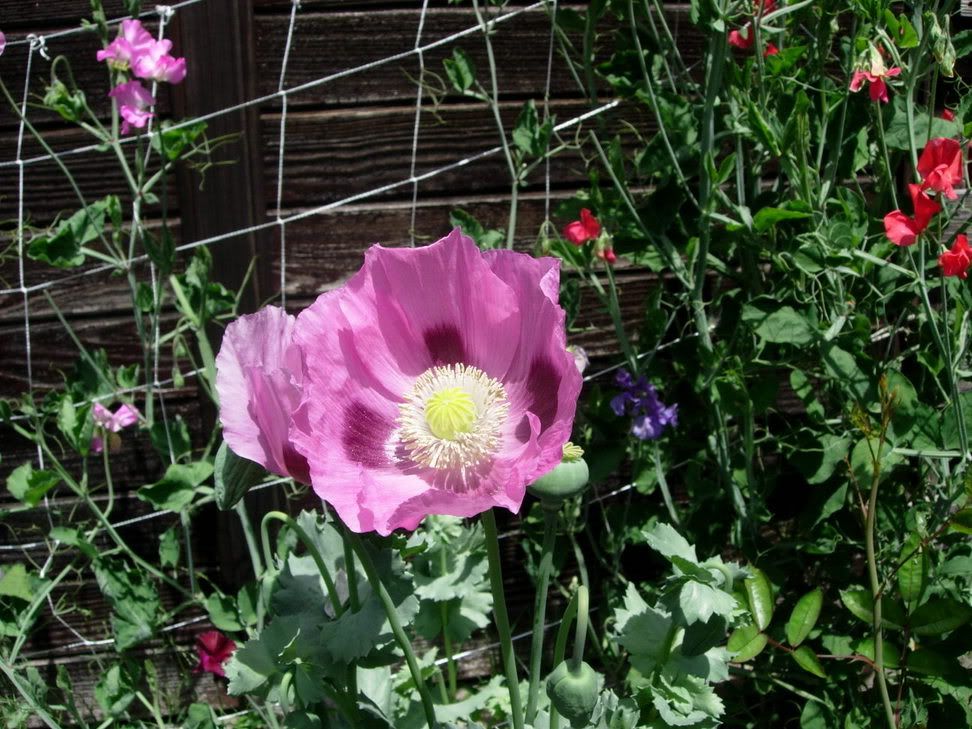
The flowers  of the bread seed poppies are delicate and beautiful and they yield copious amounts of seed for baking and other culinary delights.


The common varieties of bread seed poppies are black, Peshawar White, 'Zahir,' and 'Hungarian Blue'. Here are some other names that they go by white poppy, opium poppy, and maw seed.

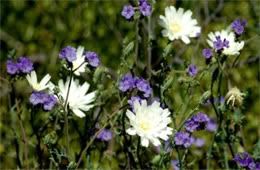
Bloom traits of the bread seed poppy are large but delicate blossoms that comes in colors of white to pinks, lavenders, purples, deep violet, and shades of red. The flowering occurs through early to midsummer occasionally they will flower all the way to the end of the summer.

They prefer an open, sunny, area and they also need well-drained  soil, but they will adapt to other conditions so it is not too extremely different.

Bread seed poppy's propagation is done by sowing seeds in mid-spring and the germination has a eighty to ninety percent. The seeds sprout in about two weeks. The seeds can be sown directly in the garden or indoors and then transplant them in late spring. They need to be space ten to twelve inches apart and they need moderate water. These poppies need to be sheltered from the strong winds, which the winds can blow the petals away.

Bread seed poppy likes full sun to partial shade and in well-drained soils that are high in organic matter.

They are ready to harvest when the seed capsules are fully dry and they are just beginning to open. You will need to use scissors or snips to cut. I will put my harvested capsules in a wide bowl and allowed them to dry out completely for a few days, then I will pour the seeds into a container that I have for storage.

The seedpods that are dried are real pretty used in dried herb and different floral  arrangements. They can be used in wreaths and swags for textural interest.


Tuesday, November 12, 2013

What Are Garlic Chives ?


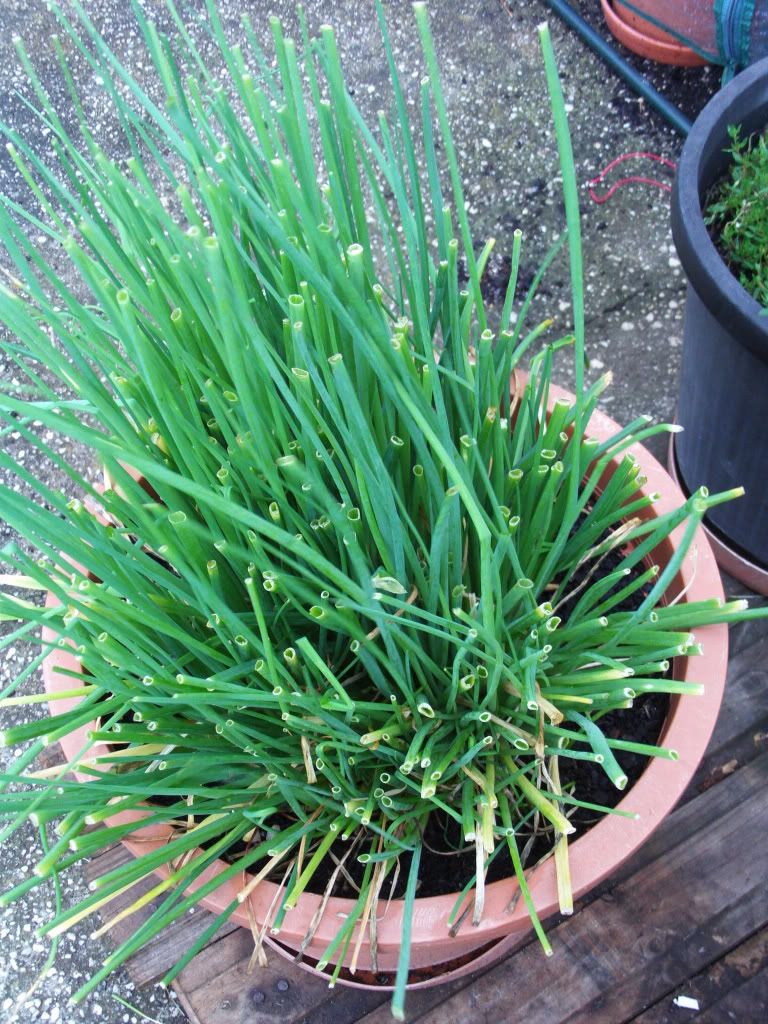
Garlic chives are a perennial herbaceous and they are stronger in flavor than just regular chives. If a person likes to have a mild garlic flavor, this herb is the one you will want to get, because with this one, nobody will get a full-fledged garlic taste. Garlic chives is also called Chinese chives.

Garlic chives will grow in zones of four to nine. This herb will grow from twelve to fifteen inches tall.


Garlic chives has white star- shaped lightly fragrant flowers in clusters. They will flowered anytime from late spring through early fall.

Garlic chives likes to grow in open meadow areas in temperature or subtropical climates.


As far as propagation of the garlic chives, the seeds can  be sown in spring or early summer, either directly into the garden space or indoors and they will be transplanted later on. It takes the seeds to germinate in about two weeks, and the germination is high, and it is eighty to ninety percent. Garlic chives grows in clumps and they need to be spaced at least twelve inches apart and they require moderate water. They will spread if the area where they are planted are moist, if not moist, they seem to stay where they are planted.


Garlic chives likes full sun to partial shade and they like to have well-drained soil.

Garlic chives are a great herb to grow on your windowsill or in a patio container. They are nice to have planted in the food gardens. Some other herbs that they like to be grown with sage, dill, and parsley.


To harvest this herb, it has to be cut with scissors or snips and the green stems or the unopened buds is what is harvest. The opened flower clusters may be harvested.

The garlic chives tastes stronger than chives,  but not as strong as garlic is. The fresh stems and unopened flower buds can be used in soups, salads, stir fries, and vegetable dishes. Garlic chives can be used either fresh or frozen.

The white starry flowers are very pretty in green salads, and in a tomato, cucumber salad, giving each salad a light garlic flavor. I used the flowers in herb butter and spread it on my corn on the cob which will give anybody a mid-summer vegetable treat.


Monday, November 11, 2013

What Is Goldenrod?


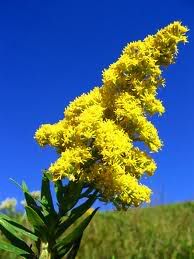
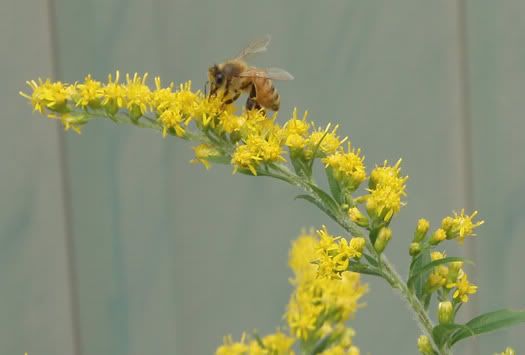
Goldenrod is a herb. The flowers and young shoots of this herb are used to create beautiful yellow dyes for cotton and wool. It is a late-summer flower that tells the garden's transition to the next season.

Goldenrod is a perennial herbaceous and it grows between two to four feet tall. Goldenrod  grows in zones 4 through 9 areas.


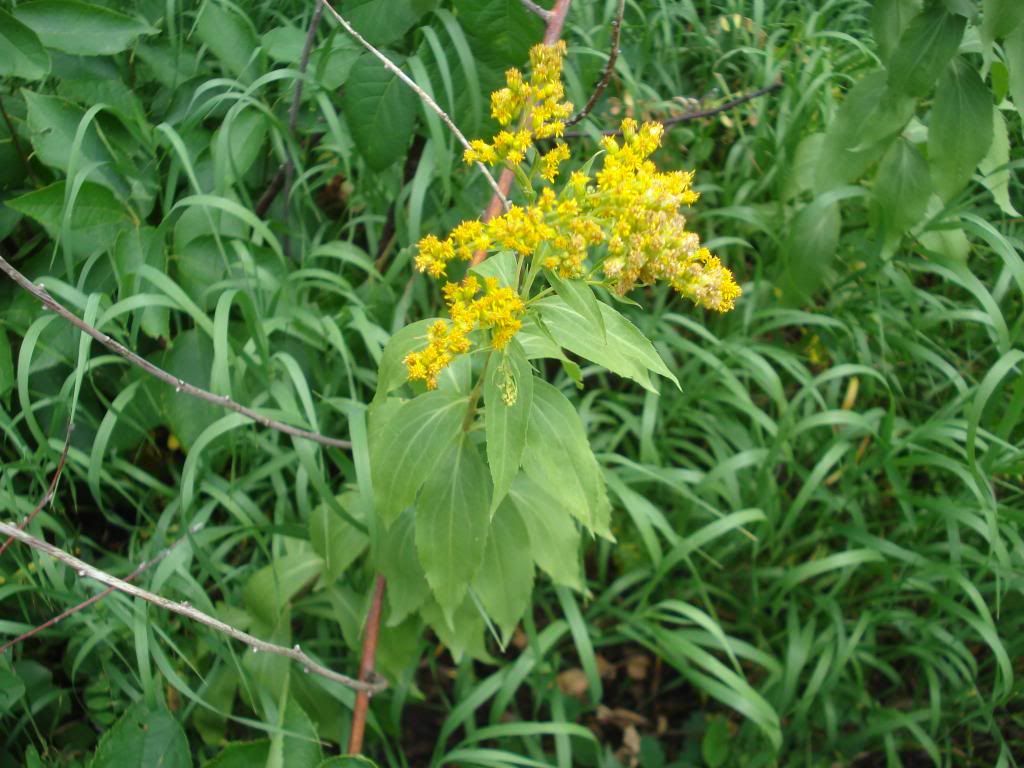
Bloom traits of an goldenrod are large fans of golden yellow flowers that blooms in the later months of summer.

Goldenrod's likes and dislikes are that they are found in a variety of habitats, such as they grow on prairies as well as mountain. It can be found near lakes and streams. Goldenrod I have notice that they prefer open spaces. I also see them growing along the roadsides as I drive along the roadways especially where I live which is out in the country.
 

As far as propagation is concern for goldenrod, if the seeds are stratify in moist peat moss or sand and put into the refrigerator for seven to ten days. This method will give you reliable germination, ninety percent or better. They can be sow indoors and then transplant outside in mid- to late springs, or the seeds can be sown directly into the garden in early spring. Goldenrod grows in clumps and they need to be spaced twelve inches apart. Goldenrod needs to be water lightly or moderately.

Goldenrod loves to be in full sun  and they do not have to have any special soil needs. They like to grow in a community that has potentilla, red clover, and catnip growing there already.


The aerial parts of the goldenrod, while they are in flower, are harvested in late summer by using scissors or snips. The parts of the goldenrod that you used are the aerial parts of the flowers and they can be used either fresh or dried. 

The medicinal benefits of the goldenrod is used mostly for conditions of the urinary and respiratory tracts The Native Americans have used this plant for coughs, fever, and toothache.

The home pharmacy uses of the goldenrod are foot soak, infusion, traditional tincture, syrup, honey, and bath herb.

The goldenrod is a very pretty flowery herb plant that has many different uses.


How To Make A Child's Herb Garden


A child's herb garden is a great way for children to learn all about gardening and it gives the children some responsibility. It also gives children an appreciation for what all of the herbs gives, such as, in cooking, smelling, or it will stimulate the child's imagination.

.I think every child's herb garden needs to be a small area or maybe just have a few containers for their garden. Because this would give your child a sense of ownership and it will give a child some responsibility  in learning, in the know-how on how to garden especially with herbs.

I think that this child's herb garden could have some other items in there, other than the herbs,such as other activities that the children would enjoyed to do while they are out there. working in their herb garden. Some of the different items that can be good to go in your child's garden, could be a reading bench, a bamboo screen with peepholes, that a child can watch birds feed at a bird feeder while   out in their herb garden. My daughter definitely need a reading bench included in her herb garden, because she loves to read, and this way when she wants to take a break, she would go sit on her reading  bench and read. She would be  getting herself some water to drink. Another place for a child's herb garden is by the children swing set.

I thinks herbs for this garden should have different shapes and colors, with great smells and delicious tastes. There are a number of herbs particularly attractive to children, because of their great smells and great tastes and this is a wonderful way to teach them to lead a healthy lifestyle.

Chamomile flowers, they will learn that a tea that is made from the chamomile flowers that was picked from their  garden will help them to sleep better at night. Lemon balm tastes good, and kids will learn that lemon balm is something that can be added to a fruit salad. Woolly lamb's ears are real good choice to have to put on a skinned knee or elbow to make it "feel better".

What would make the garden fun is to mix things up with fun vegetables and fruits like baby carrots, strawberries, and cherry tomatoes. The garden also would have some flowers growing in the garden, such as pansies, dianthus, and sunflowers.

I think the most important aspect of this herb garden is that the  children get to choose how they want to plant the garden or where to arrange the area.

Some of the herbs that would go well in a child's herb garden are basil, hollyhock, lavender, violet, anise hyssop, pole beans, roman chamomile, and so much more.

To me, teaching a child about gardening, raising herbs, is a great way for a child to be able to do this, later on in life. I think if anybody knows how to gardening, this will save every body's money when they go to the grocery stores.


Thursday, November 7, 2013

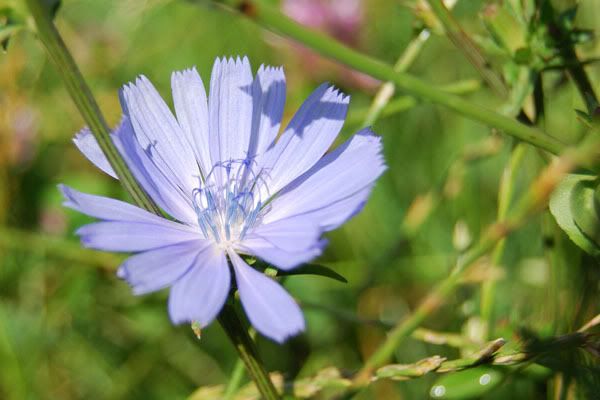
How To Grow Chicory?


Chicory can be sow from first of spring through the last of fall.It takes fourteen to sixteen weeks to harvest. The best place to grow chicory is either in beds and containers. In a nine feet long bed eight to twelve plants can be planted, and in a container, three plants can be planted in each one. The chicory are highly ornamental and they have robust leaves and they are an asset to any plot. Chicory  can be eaten raw or it can be cooked, which  ever way you would want it. If you eat it raw, chicory has a slightly bitter, but pleasant taste., which can be moderated by blanching the chicory. All the different varieties of chicory.  are easy to grow and they are suitable for containers.


Getting Started

Three different types of chicory.

Witloof or Belgian-they have a deep root and white heads.

Radicchio forms a heart, which is like lettuce.

Sugarloaf has a loose head of green leaves.


If the  seeds are sown in trays, the seedlings   need to be taken out as soon as they are large enough to handle. When I  am watering  the seeds I will need to water them very gently so the seeds will not be moved around. The next step is to pick out the seedlings as  soon as they are large enough, plant them in small pots or modules.

Sowing seeds


I like to start  sowing my seeds early and I do this by sowing them under cover. During it this way, it would be useful for fall and winter sowing for the cut-and-come-back leaves or it can be use for spring-maturing crops. Fill the trays with compost, water it real good and then let it drain real good. Make each hole 1/2 inch deep or every two inch and then sow one seed into each hole. Cover with a little compost to each seed and water each  area. lightly. Chicory's germination rates are very high.

Sow and plant out

Getting the soil ready by digging the soil and removing all the weeds. I can  now sow directly into the soil, by making drills 1/2 inch deep, water it well, and then sow the seeds thinly along the drills. After you  have sow the seeds, they need to be cover with soil and water in. By me raising my seedling  under cover, I can plant them outside as soon as their roots fill the hole or each cell. They need to be planted at ten to sixteen inches apart, and water them well.

Routine care

The chicory plants  need to be watered well, and they need to be weed regularly. If your soil is sandy or alkaline, or if you have them in pots, the plants may benefit from a dose of general purpose liquid fertilizer added every two weeks.

Harvesting

The leaves can be harvest  as soon as, the plants are a real good size. I always want to have a second harvest, I will need to leave the stump in the ground, cut a cross in the top of the plant, and remove all of the leaves that are remaining. After a few weeks, new smaller shoots will appear, and I will need to cover with a pot to blanch them.