Showing posts with label chamomile. Show all posts

Saturday, January 25, 2014

What Is Anise Hyssop?


Anise hyssop is a perennial herbaceous c which grows in zones 6 - 10. It will attract butterflies, honeybees, and hummingbirds  which is good, because they are all excellent pollinators. When it is dusk, the anise hyssop is irresistible to the hummingbird  moth. It grows up to the height of two to three feet tall. The blooms of the anise hyssop are spikes of rich purple flowers that blooms on and off all during the summer.
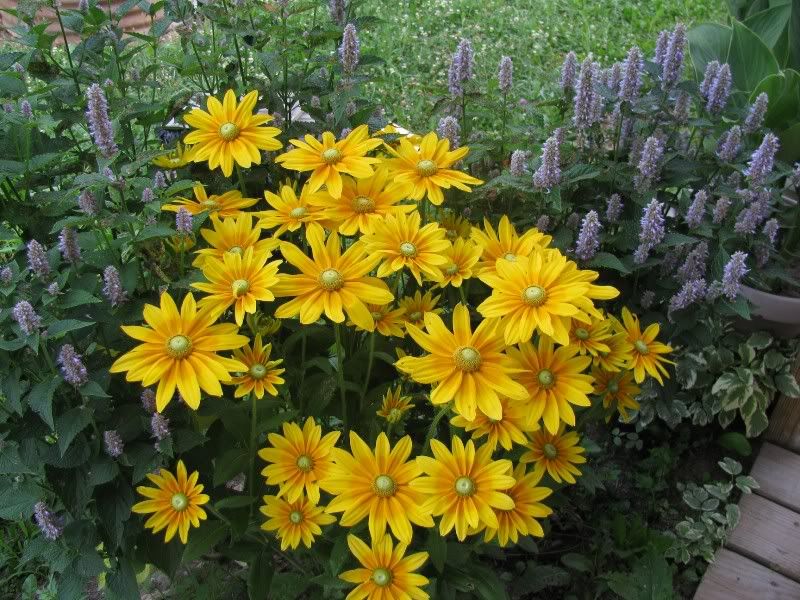


Anise hyssop which is like the other members of the genus Agastache likes to grow in sunny areas. In the mountains regions, the anise hyssop prefers to grow on the lower elevations of the mountains.

Propagation/ Maintenance

The seeds of the anise hyssop can be sow outdoors in late spring or the seeds can be sow early in a greenhouse and then transplant them out in the garden after  the danger of frost has passed where you live. The germination percentage of the anise hyssop is seventy to eighty percent, which will happen in about two  weeks. The anise hyssop grows as a clump. The plants need to have light to moderate water for them to grow well.
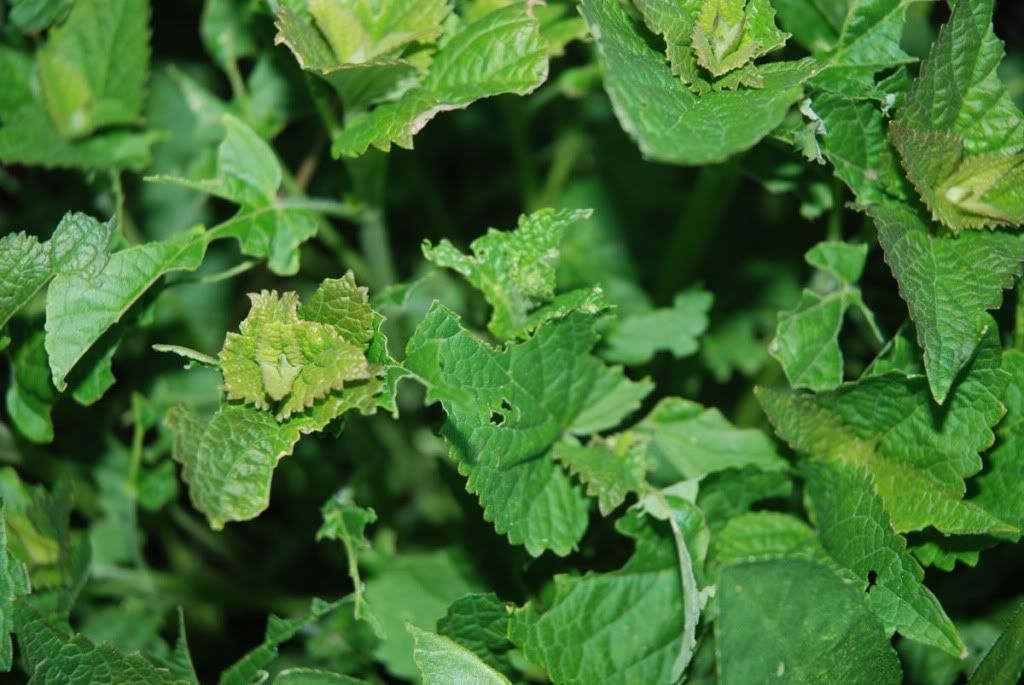


Anise hyssop grows well in poorer clay, gravelly, or sandy soils. They like  to grow in full sun and partial shade.

Chamomile, horehound, it is festive when planted next to spilanthes.

The aerial parts of the plants are the parts that are harvested preferably when the plants are in flower, and this is done by using a pair of scissors or snips.

The culinary use of the anise hyssop is using the leaves and or flowers that makes iced tea delicious. The leaves and flowers which are finely chopped can be sprinkled over vanilla ice cream, used in cream cheese spreads, or they can be added to fruit salad.


The medicinal benefits of the anise hyssop are it supports digestion, helps lower fevers and it soothes lower respiratory tract irritation.

The parts of anise hyssop that are used are flowering aerial parts and it can be used fresh or dried.

The home pharmacy uses of the anise hyssop are infusion, cider vinegar tincture, traditional tincture, bath herb, foot soak, and honey.

Monday, January 13, 2014

How To Make Baths and Soaks From Herbs?


I think that herbal bath would be great after a long day at work. I also think that a good foot soak after a rough day is so benefical to anybody.

Herbal Bath

This is how to prepare a herbal  bath. I will put in a cup of dried herbs in the center of a washcloth. Then I will pull up the corners and secure with a rubber band, this will make a bundle. Another way is to put the herbs inside a drawstring muslin bag. Then the bundle or baggets thrown into the bath water. After the bath water is at the right temperature, then get into the water and soak for at least twenty minutes or for what ever time you have for the bath. When bath is over, discard the herbs, and launder the washcloths. Some of herbs that are real good for use in baths and what each herb does to make each bath great.

Rosemary is very good at soothing, aching muscles after gardening, running, working out and so on. Roses makes everybody feel very loving and compassionate. Lavender helps with tension in the neck or from a headache . Lemon balm is very calming and relaxing which makes it a good herb to use before going to sleep.

How To Prepare A Foot Soak

Foot soaks are done in a basin. I will boil some water and when it has boil, I will place it in the basin with several different herbs which I will talk about later on in this blog. I will let the herbs steep for ten minutes. Then I will add cool water to it to get the right temperature.. Then sock your feet until the water is cool. After that, dry your feet and you might want to massage them with an herbal infused oil or a body cream.

I would like to list some herbs that are good for a therapeutic foot soaks and how each one will help the feet. California poppy is good for pain relief.

Passion flower and lemon balm helps relieves stress.

Peppermint increases circulation. Sage, enchinacea and ginger is helpful for colds and flus. Chamomile is soothing and calming. Lavender and rose helps to promotes restful sleep. Spearmint and lemon verbena lifts the spirits. Oat straw helps relieves itchy skin.