Showing posts with label gardening. Show all posts

Friday, February 21, 2014

What Is Ginger?


Ginger is a perennial herbaceous. It grows well in zones 9 - 11. Ginger will make a nice houseplant or container herb on a patio in nontropical climates. Now, in a tropical garden, ginger should be planted as an understory plant, because it prefers to have partial to full shade. It prefers to have a rich, loamy and well-worked soil that needs to be kept evenly moist. Ginger will grow from 3 to 4 feet tall.


Ginger is a shade-loving plant, ginger grows in hot, moist, tropical regions.

Spikes are clad in waxy, yellowish, green flowers that has some purple on the tip. Ginger rarely flowers under cultivation.
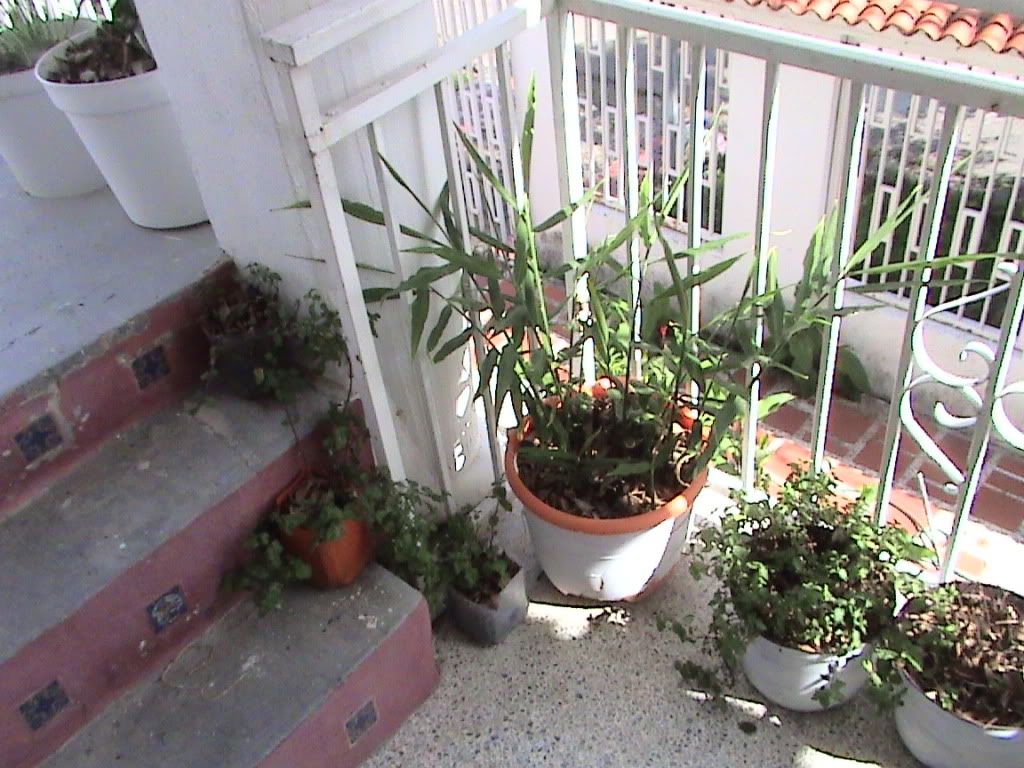


Ginger are propagate by planting the rhizomes. They grow in 'sections' that can be broken apart easily, at the joints. The eyes which are called buds, look on each section, plant a rhizome with the eyes facing up toward the soil surface. The rhizomes need to be planted 1 to 2 inches below the surface of the soil, about 15 inches apart. Ginger rarely produces seeds, and when the seeds do form they are sterile. Ginger grows mainly in clump and spreads slowly by rhizomes. Ginger requires a great amount of water.

Ginger is a great container herb that grows well indoors in indirect  light. Ginger will also do good on a nicely on a protected shaded patio. It grows real good with nasturtium, turmeric, and gotu kola in a shady container garden.


Harvesting times will depend on how the ginger will be used. If the ginger is going to be used fresh, the ginger rhizomes will be harvest between 4 to 7 months of age. The older ones 7 to 9 months  which are more pungent, and less fleshy rhizomes are harvested for dried preparations.

If the fresh ginger is finely grated over rice and steamed vegetables, the food will be tasty. The dried ginger can be finely or coarsely ground in a spice grinder and then used in cookie recipes, such as gingersnaps, and oatmeal cookies.

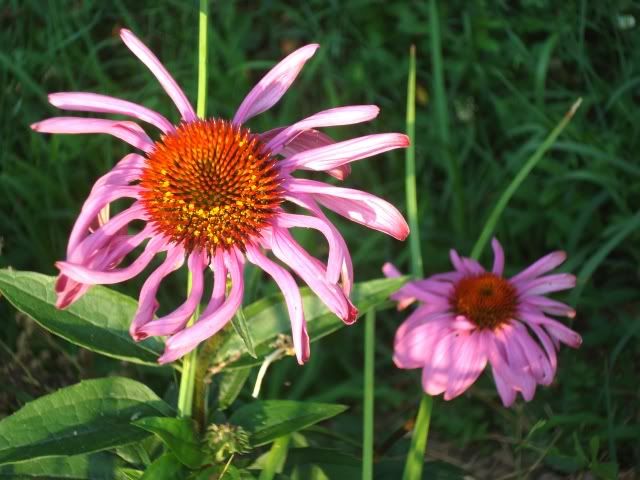
What Is Echinacea?


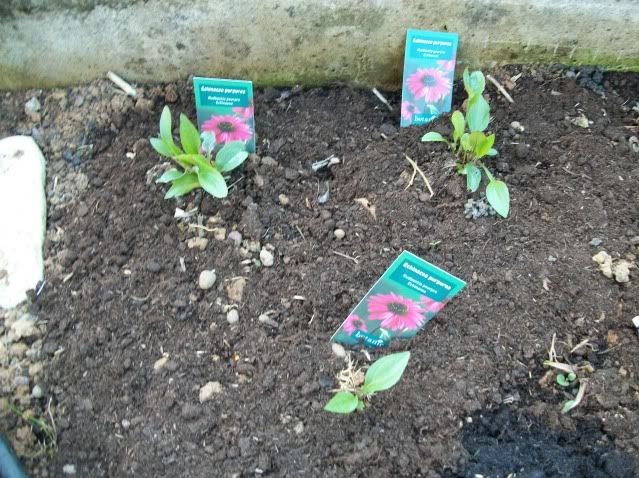
Echinacea is a perennial herbaceous and it grows good in zones 3 to 9, but this depends on which species that you are working with such as, E. Angustifolia, E. pollida, and E. purpurea.


Echinacea angustifolia grows to a height of two feet tall.. E. palidia grows to a height of 2 to 3 feet tall. E. purpurea grows to  the height of 3 to 4 feet.

Echinacea has pinkish purple flowers that blooms from mid to late summer.

Echinacea is a prairie wildflowers. It likes to grow in the wide open grassy areas.


All of the echinacea species will do better from the seeds that are artificially stratified for at least three months. Or the seeds can be stratified naturally, by sowing seeds directly in the garden in the late fall or early spring, this method is reliable only in areas that have consistently cold winters.If the seeds are sown indoors, then the plants are transplanted outside in late spring. The seeds take from 2 to 6 weeks to sprout. Echinacea grows in clumps, the plants needs to be spaced 12 inches apart. The E.purpurea species has to have moderate water, where as the other two species needs light water.
All species of the echinacea requires full sun. E> angustifolia and E. pullida require poorer soil that is not overly moist. E> purpurea needs richer soil and regular watering.


The roots are harvested in the fall or spring after they reach two and one half to three years old. E. purpurea  has a tricky -to - harvest taproot. E. angustfolia and E. pallida have fibrous roots that are easier to harvest. The aerial parts, flowers, and seeds can be harvest with snips after the second growing season on. The whole plants are harvested when it is in peak flower. This can be done by using a garden fork or a needle- nose spade to dig the roots and the whole plant in.  The whole plant can be used either fresh or dried.
The medicinal benefits of the echinaces are great for colds and flu, immune system support, and respiratory and skin conditions.

There are several different home pharmacy uses, which are, infusion, traditional tincture, bath herb, syrup, lozenge, elixir, butter, foot soak, ointment, salve,, infused oil.

Thursday, February 20, 2014

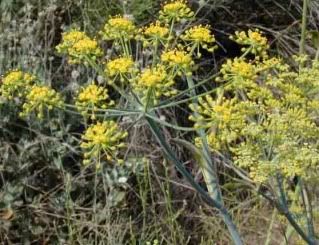
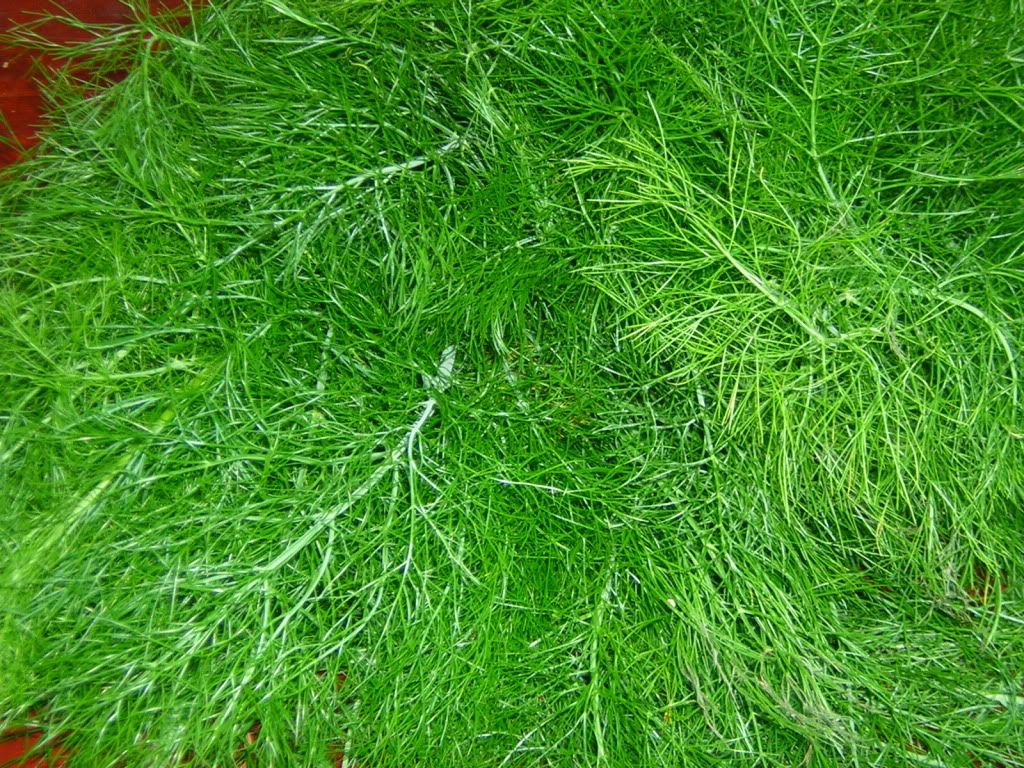
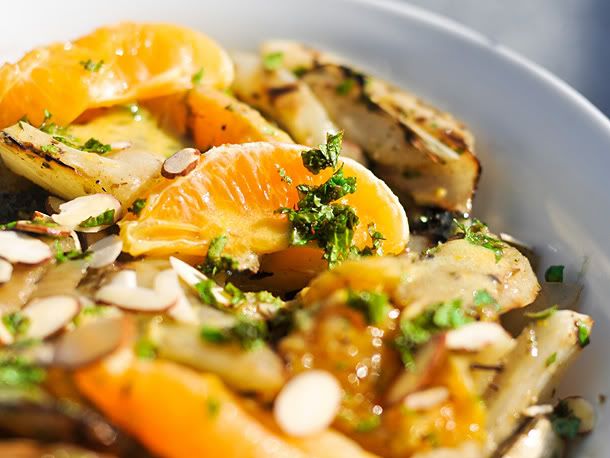
What Is Fennel?


Fennel is a perennial herbaceous and it grows well in zones 6 - 9> It grows 4 to 5 feet tall.

Fennel has yellow umbels that blooms from late July until frost.


Fennel is native to the Mediterranean area, and it prefers disturbed soil.

Fennel is easy grown from seed that has been stratified for at least two weeks, up to several months. Fennel can be sow directly into the garden anytime during the growing season. It will sprout when the weather stays warm constantly. Fennel can be planted indoors from transplanting outside in late spring. Fennel seeds sprout in two weeks, and have a 70 percent germination rate. The herb grows in clumps. The plants needs to be space 12 to 15 inches apart. Fennel needs low to moderate amounts of water.


Fennel likes to have full sun. It prefers well worked and drained soil with 4 to 5 percent organic matter, but it will grow in nearly all types of soil.

Fennel attracts butterflies, and hummingbirds. It likes to be planted with nasturtiums, sunflowers, and calendules.

Fennel large, deep roots are harvest in spring or fall using needle -nose spade or garden fork. The leaves can be handpick anytime during the growing season. The seeds can be harvest with snips or scissors either in the green umbel stage or when they are fully  ripened, depended on the medicinal recommendations. The green umbels may be prepared whole. The ripened seeds and rub off of the umbel stems.

If fennel are used in dishes, it will give a licorice like flavor to any dish that it is added to. The leaves are great in pasta salads. Fennel seed is a common ingredients in Italian sausage. Both leaves and seeds are delicious in home-baked breads. The bulb fennel  is used in soups and pasta dishes.


The medicinal benefits of fennel are it promotes milk production in nursing mothers. It also supports digestion, respiratory tracts, and throat health. It is very good for children.

The parts of the fennel that are used are the seeds, leaves, and roots. All of the different parts can be used fresh or dried.


What Is Feverfew?

Feverfew is a perennial herbaceous to semi-woody. It grows real good in zones 4 -9. Feverfew grows to the height of 24 inches.

Feverfew has small, white, daisy like flowers that will begin to bloom in the middle of the summer and it usually will continue to bloom through the end of the season.


It is native to the southeastern part of Europe, but it has become naturalized in many parts of the world. Feverfew is now considered only a garden plant, growing in most temperate climates.

For the best results of propagation of the feverfew, the seeds need to be stratify for at least one week before they are sow. The seeds can be sown indoors and then be transplanted in late spring, or the seeds can be sown directly outdoors in the middle of spring. Feverfew takes two weeks to sprout. It is a vigorous, self-sowing herb, so the plants need to be space 12 inches apart. It needs to be water moderately.

Feverfew likes to have full sun and partial shade. It prefers a richer loamy soil, but is tolerant of most soils.

Feverfew likes to be planted with other plants, such as, licorice, anise hyssop, and monarda. It also seems to deter incests from the garden.

Feverfew's leaves and flowering aerial parts are the parts that are harvested depending on each person preference. Snips or scissors works real good to help in the harvesting process.

Feverfew is used mainly to treat headaches, especially migraines.

The parts of the feverfew that are used are the leaves and flowering aerial parts. The leaves and the flowering aerial parts.of the feverfew are used either fresh or dried.


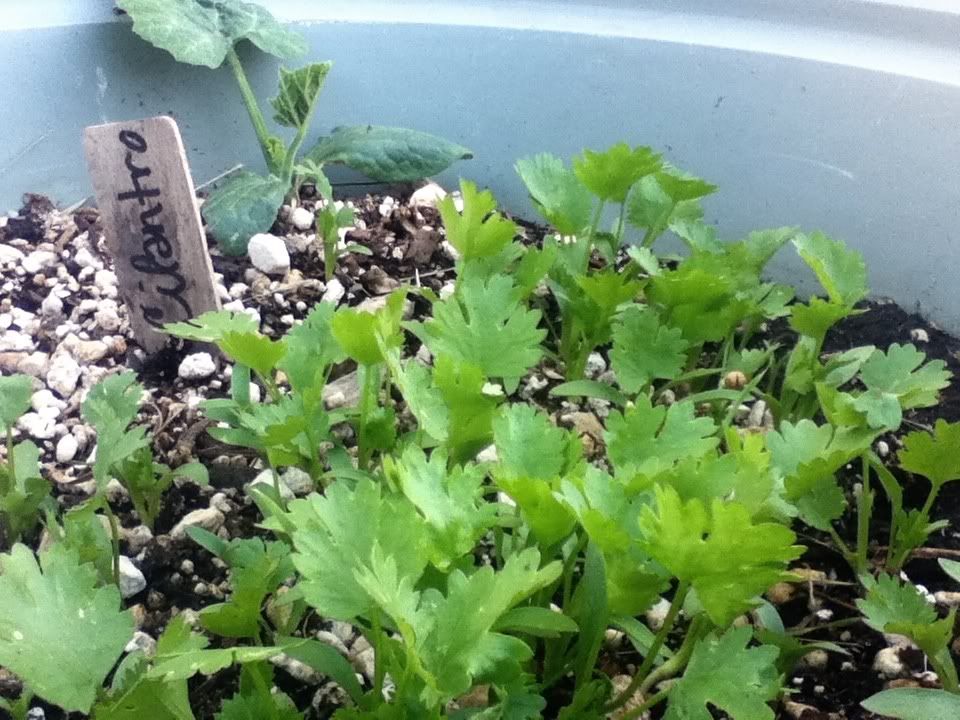
What Is Cilantro, Coriander?

Cilantro and coriander is an annual herbaceous. The leafy part of this herb is called cilantro and the seeds are called coriander. Both of these are known in the cooking circles, but a few people think of this herb as medicinal. There are several different places that you can get fresh cilantro, which are, farmer markets, grocery stores, and restaurants and coriander is sold as a spice. This herb grows up to the height of ten to twelve inches tall.


The bloom traits of this herb is small, delicate, white flowers that appears as the temperature warms up and the plants bolts to seed.

The seeds can be sowed untreated outdoors in early to mid-spring or they can be transplanted outdoors to mid-to-late spring. They can also be sow in late summer or very early fall for a new fresh supply of this herb, before it frosts. The plants need to be space 8 to 10 plants apart, and it has to have moderate to high amounts of water. This herb grows in clumps.

Cilantro needs full sun, particle shade and shade. They do not need any special soil needs. Growing cilantro in more shade will helps to slow the inevitable bolting that is triggered by intense full sun and very hot temperatures.


Cilantro likes to be planted with salad bur net and garlic chives. It also likes to be planted in a shady part of a food garden.

To harvest cilantro, by using snips or scissors to cut aerial parts of the plant before the plants goes to flowers. The seeds clusters need to be handpick and gently rub the golden brown seeds from the stems.


Coriander seed is good to put in home baked bread. Cilantro can be put in many different dishes, such as,, salads, Mexican dishes, sandwiches and so many more.

The medicinal benefit is good for digestive health.

The parts used are the fresh aerial parts and dried seeds.


Wednesday, February 19, 2014

What Is Chasteberry?

Chasteberry is a perennial woods and it grows real well in zones 6-9 . It grows to the height of 2 to 10 feet tall.

Chasteberry bloom traits are lavender- colored spikes of flowers that bloom in mid to late summer beginning in the second year. In the colder parts of its range, chasteberry may not flower or form fruit.

Chasteberry is from the Mediterrean region. Chasteberry likes hot temperatures and appreciates some humidity. If the chasteberry is planted in cooler climate it will die back in the winter and it will be quite late coming up again in the spring, but just be patient it will be worth the way.


The seeds need to be stratify for three to four weeks and then the seeds need to be scarify and soak them in warm water for 30 minutes before sowing immediately indoors. These seeds may take up to four weeks to germinate. Most of the time, germination rate is 50 to 60 percent. In late spring, transplant the chasteberry outdoors 12 to 24 inches apart. This herb grows in clumps and it requires moderate watering.

Chasteberry likes fullsun and partial shade. It likes to grow in well-drained soil.


The leaves and tender stem growth of the upper four inches along with the flowers and ripening seeds, may be harvested for medicinal purpose. Most buyers prefer only the ripened berries, without the leafy and flowering portions. Snips are used to harvest the leafy parts, that is if the berries are to be harvested, if the berries are wanted, then you will need to rub them loose from the stems, then screen them out of the leafy and flowering parts. All the parts used of the chasteberry is the leaves, flowers, and berries, either fresh or dried.

Saturday, January 25, 2014

What Is Agastache?


Agastache has many species that have several things in  common, and they are really beautiful, this herb attract hummingbirds,  and sphinox moths which are pollinators, they taste real good, and they are a good digestive herb.


Agastache has a personality of perennial herbaceous that grows real well in zones 5 -9.  It will grow from 1 to 3 feet tall.

Agastache's bloom traits are spikes of real bright flowers in the different shades of orange, pink, and purple and the blooms will show midsummer through late fall.


They are sun-tolerant and they prefer open areas. They will grow nicely at lower mountain elevations. Common species are Sunset hyssop, double bubblegum mint, and Coronado mint
Propagation/ Maintenance

Most of the agastache's species are easy to grow from seed. The seeds need to be sow in late winter inside a greenhouse, or the seeds need to be direct sow in the garden in late fall for spring emergence. The germination is 40 - 75 percent depending on the species, in two to three weeks. Anastassia grows in clumps and they should be spaced 12 to 15 inches apart. They use low to moderate water for them to grow and produce.

Agastache likes full sun and they will grow good in poor soils such as gravel, clay, and sand.


Agastache likes to grow in a community with lavenders, winter savory, and southern wood.
When it is time to harvest the agastache, the upper third of the plant, especially when it is flowering , by using a pair of scissors or snips.


Culinary Use
The leaves and flowers are the parts of the plants that are used in the culinary use. The leaves and the flowers range from minty root beer and licorice mint to the taste and its smells like bubblegum. The leaves and the flowers are made into cream cheese spreads, herbal honey, or they can be sprinkled into fruit salad and put it over ice cream.

The medicinal benefits of the agastaches are they support digestion and also lower fevers. A tea made from these plants can be made into a tea for a sore throat gargle.

The parts that you can use are the aerial parts,  with flowers or without flowers, either fresh or dried.

The home pharmacy uses of the agastache are infusion, syrup, traditional tincture, elixir, honey and bath herb.

Edible flowers of this herb are used in many different ways, such as, add the colored flowers to pasta salad or fruit salad for a zippy taste, add to cream cheese spreads or herb butter, or put in a pitcher of lemonade. The flowers can be used for cake decorations.


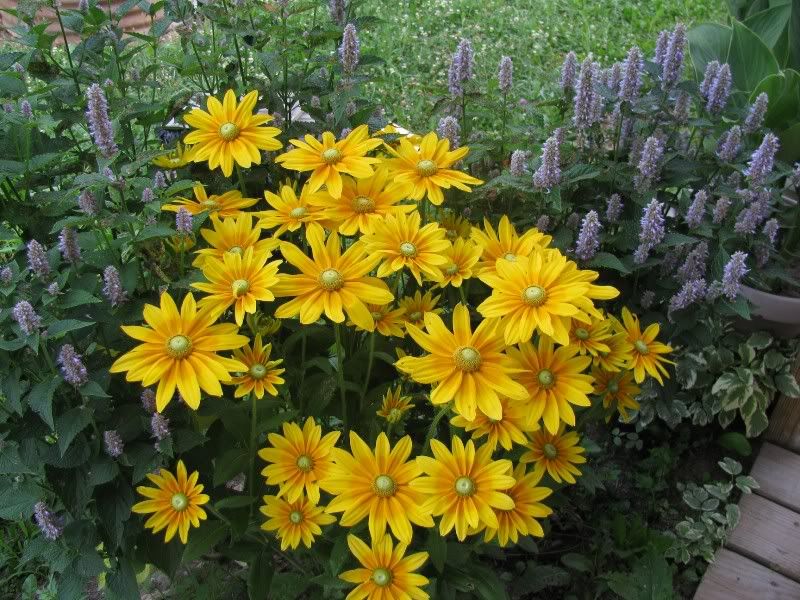
What Is Anise Hyssop?


Anise hyssop is a perennial herbaceous c which grows in zones 6 - 10. It will attract butterflies, honeybees, and hummingbirds  which is good, because they are all excellent pollinators. When it is dusk, the anise hyssop is irresistible to the hummingbird  moth. It grows up to the height of two to three feet tall. The blooms of the anise hyssop are spikes of rich purple flowers that blooms on and off all during the summer.


Anise hyssop which is like the other members of the genus Agastache likes to grow in sunny areas. In the mountains regions, the anise hyssop prefers to grow on the lower elevations of the mountains.

Propagation/ Maintenance

The seeds of the anise hyssop can be sow outdoors in late spring or the seeds can be sow early in a greenhouse and then transplant them out in the garden after  the danger of frost has passed where you live. The germination percentage of the anise hyssop is seventy to eighty percent, which will happen in about two  weeks. The anise hyssop grows as a clump. The plants need to have light to moderate water for them to grow well.


Anise hyssop grows well in poorer clay, gravelly, or sandy soils. They like  to grow in full sun and partial shade.

Chamomile, horehound, it is festive when planted next to spilanthes.

The aerial parts of the plants are the parts that are harvested preferably when the plants are in flower, and this is done by using a pair of scissors or snips.

The culinary use of the anise hyssop is using the leaves and or flowers that makes iced tea delicious. The leaves and flowers which are finely chopped can be sprinkled over vanilla ice cream, used in cream cheese spreads, or they can be added to fruit salad.


The medicinal benefits of the anise hyssop are it supports digestion, helps lower fevers and it soothes lower respiratory tract irritation.

The parts of anise hyssop that are used are flowering aerial parts and it can be used fresh or dried.

The home pharmacy uses of the anise hyssop are infusion, cider vinegar tincture, traditional tincture, bath herb, foot soak, and honey.

What Is Astragalus Chinese?


The astragalus Chinese is a perennial herbaceous and it grows well in zones 4 - 11. In the traditional Chinese  medicine it is used as an important tonic herb. It is getting to be more popular here in the western medicine  because the ability to support the immune system.


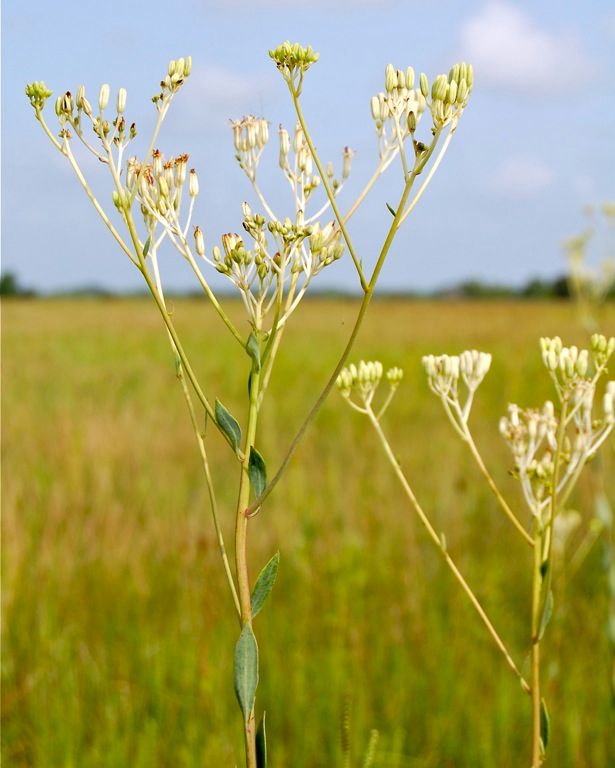
This plants grows to be three to four feet tall. This plant has pretty, pale yellow, pea flower-shaped blooms that will be from midsummer until frost comes to the area.
Astragalus, Chinese is a native to northeastern China, it seems to prefer sun to partial shade. It likes to grow in sun to partial shade. It grows in open areas or it likes to grow along the margins of treed places, often dry sandy soils.


The propagation of this herb is the seeds has to be stratify for at least three weeks before sowing. Then they have to be scarify and soak in warm water for one hour before, the seeds are planted. The seeds need to be sow directly into the ground in early spring or they can be started indoors early and transplant them outdoors at the last frost date. The plants need to be space fifteen inches apart and the plants need to be water moderately. The astragalus grows as a single plant, but it has a tendency to sprawl a  bit as it gets older.
The astragalus likes to be planted in partial shade to full well-worked soil to grow in.

Roots of the astragalus  are harvested in the fall after the plants are two years old. The average harvesting time is between the third and fifth year of their growth,  but it can vary on where you live and how much  growth has annually. The taproots will require a needle-nose spade or a fork to dig them fully and easily.

The medicinal benefits of astragalus is its ability to offer deep immune system support.


The parts of the astragalus that is used is the roots and the roots can be used either fresh or dried.
The home pharmacy uses of the astragalus are medicinal food, syrup, elixir, decoration, traditional tincture, cider, vinegar tincture, honey and powder.

Medicinal Food Use

There is one way that the astragalus root is use for immune system support and this is done by adding a small amount [about 1/4 cup of dried cut and sifted root to the soup kettle and let it simmer over low heat, for several hours. It just becomes another ingredient in the soup and doing this
regularly will keep the immune system at its best.


Friday, January 10, 2014

What Is Cutting Celery?

Cutting celery is a biennial herbaceous and it will grow in zones 5-9.

The cutting celery is about the leafy tops. It is a celery, with all the great flavor, but you use only the cut leaves like parsley, and not used the stalks. This is an excellent seasoning herb and it is a good plant that would be good to grow on every windowsill.

The cutting celery will bloom in the second year with cluster s of white flowers during mid-to late summer.

This herb likes moist soil and partial shade and it really prefer a stream side home and the soil needs to be moderately rich. It will grows up to twelve to fifteen inches.

They are easily grown from seed, sow in early spring outdoors or they can be started indoors for transplanting into the garden in late spring. The germination is expect to be  eighty to ninety percent, which will take about two weeks. This herb grows in a clump. They need to have moderate water and they need to space the plants twelve inches apart.

Cutting celery likes to have partial to full shade and they adapt well to various soil types but they really like a moderately rich soil.

Cutting celery is a  real good addition to food gardens, along with horseradish, sorrel, and watercress. They will grow well in a containers indoors or on the patio.  


Thursday, November 21, 2013

What Is Turmeric?


Turmeric is a tender perennial herbaceous that grows in zones ten to eleven. It grows to twelve to twenty-four inches tall.

Turmeric is used for a powerful due that for paper and fabrics, and it can be used medicinal. It is a delicious spice that is often used in curries.

Turmeric likes to grow in a prefers a shady, moist habitat., . It  is a tropical plant that likes to grow in tropical forests.

This herb is propagated by root divisions. I divide a fresh root of turmeric into pieces, and one of the pieces has an eye because this is where to root will sprout. Plant each piece side by side and I will plant the root pieces about two inches. I will need to keep the pot in a warm place and keep the soil evenly moist. Turmeric takes a long time to sprout. The plants needs to be spaced between fifteen to twenty-four inches apart. If I decide to grow turmeric in a container, I have to plant the turmeric in a pot that is fifteen to twenty-four inches in diameter and about eight inches deep.  I water the soil to keep it moist, but not real soggy.

The soil needs to be rich in organic matter and the soil needs to be sandy. When I am growing turmeric in a container, I will provide a loose potting soil mix.

Turmeric is a herb, that does good in a herb that does good in a container. They will  also grow good on shady patio or under trees. Turmeric grows real good in food garden, and I raise it indoors also.

Turmeric needs to be harvested in midwinter. I will need to be cut back the leaves and unearth the roots, taking all the soil away. I will need to use a needle-nose spade or garden fork to take the roots out. I will  harvest what I want and then I will replant the rest.

The root will yield a bright yellow-orange dye that is used to tint fabrics and paper.

So turmeric is a very good herb to have around because of the great benefits.


Tuesday, November 12, 2013

What Are Garlic Chives ?


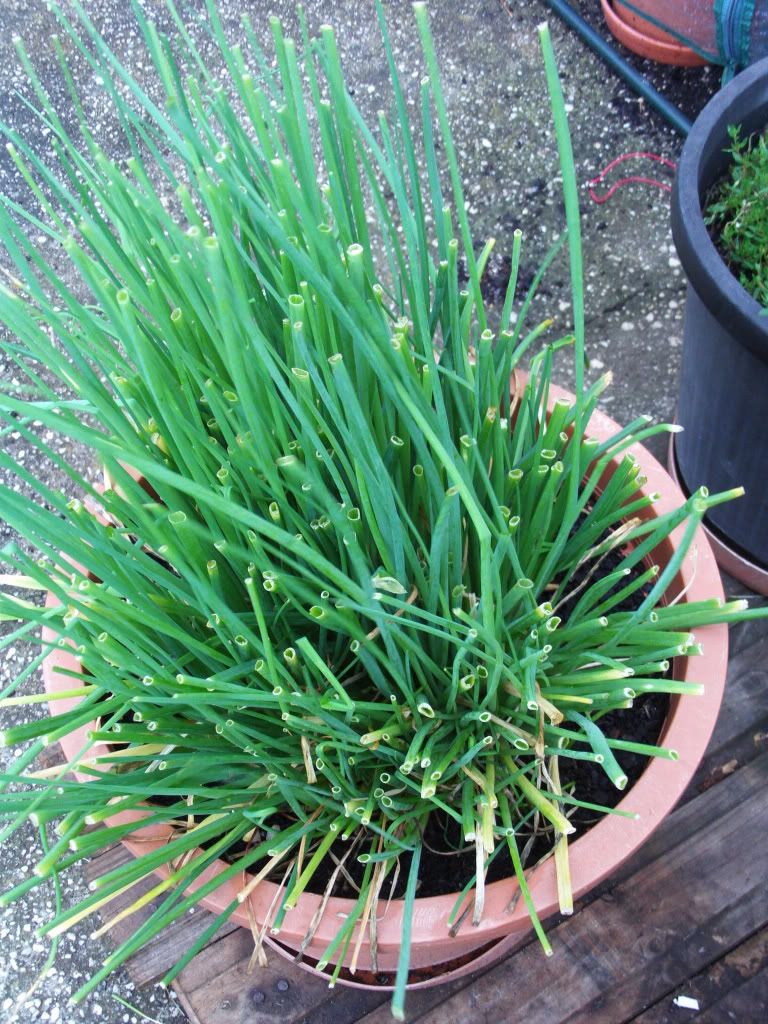
Garlic chives are a perennial herbaceous and they are stronger in flavor than just regular chives. If a person likes to have a mild garlic flavor, this herb is the one you will want to get, because with this one, nobody will get a full-fledged garlic taste. Garlic chives is also called Chinese chives.

Garlic chives will grow in zones of four to nine. This herb will grow from twelve to fifteen inches tall.


Garlic chives has white star- shaped lightly fragrant flowers in clusters. They will flowered anytime from late spring through early fall.

Garlic chives likes to grow in open meadow areas in temperature or subtropical climates.


As far as propagation of the garlic chives, the seeds can  be sown in spring or early summer, either directly into the garden space or indoors and they will be transplanted later on. It takes the seeds to germinate in about two weeks, and the germination is high, and it is eighty to ninety percent. Garlic chives grows in clumps and they need to be spaced at least twelve inches apart and they require moderate water. They will spread if the area where they are planted are moist, if not moist, they seem to stay where they are planted.


Garlic chives likes full sun to partial shade and they like to have well-drained soil.

Garlic chives are a great herb to grow on your windowsill or in a patio container. They are nice to have planted in the food gardens. Some other herbs that they like to be grown with sage, dill, and parsley.


To harvest this herb, it has to be cut with scissors or snips and the green stems or the unopened buds is what is harvest. The opened flower clusters may be harvested.

The garlic chives tastes stronger than chives,  but not as strong as garlic is. The fresh stems and unopened flower buds can be used in soups, salads, stir fries, and vegetable dishes. Garlic chives can be used either fresh or frozen.

The white starry flowers are very pretty in green salads, and in a tomato, cucumber salad, giving each salad a light garlic flavor. I used the flowers in herb butter and spread it on my corn on the cob which will give anybody a mid-summer vegetable treat.


Monday, November 4, 2013

All About A Herb Called Oats.


The  herb called oats has a moderate to high market potential.

Oats was cultivate to be used both for food and for medicine. Harvesting oatmeal at the milky, stage would provide the highest and best level of nutritional and medicinal benefits. Also oats can be used as a skin herb.

Oats is in the annual plant cycle. Oats is a herbaceous type of growth.. Oats will grow to the height of 4 to 5 feet


Oats will sports light green grain spicules that will turn to the color of golden when the oats get full maturity. Flowering will come one month after you plant the oats, also it depends on weather condition.

Oats like to grow in open, sunny areas. They have been cultivated in almost every temperate climate around the world.

The oats seeds has to be sow directly outdoors in mid to late spring. They do not  need any special  treatments. The oats will need to be spaced about eight inches apart because they will grow in clumps. The water needs to be water moderately.


Oats prefers a soil with good organic matter content  which 4 to 5 percent is ideal for them. Oats prefers full sun.

The oatmeal has to be in the milky stage, this is when it is time to harvest. The milky stage is when the green grains get very plump and they spurt out a milky juice when you squeezed it. Strip the grains off of the spike lets by pulling them through your fingertips. You will need something like a bucket or bag to catch them in as you go through your patch. If I am harvesting oat straw, I have to cut and dry the aerial parts which is the stems, grains, and leaves of the oat  plant when it is in the milky stage. If I want  to use some of my oats for cooking, I will need to allow the grains to come to full maturity and then harvest them.

Market potential is  moderate for oat straw and high for oat seed.

The medicinal benefits of oats are a whole body tonic for all ages. It is especially useful for the nervous system, bone, and skin health. Oats are also good  for the male and female reproductive health.

The parts of the oats that are used are milky-stage seeds, grains, and aerial parts and they can be used either fresh or dried.

Summary

Oats are a very good herb to grow because you can used it either for  food or medicine. The oatmeal at the milky stage is where I will find the highest level of nutritional and medicine benefits of the oats.


Friday, November 1, 2013

What Is Chamomile ?


Chamimile is a herb. The German chamomile is an annual. The Roman chamomile  is a perennial. Chamomile grows in - 9. The German chamomile grows up to 24" high. The Roman chamomile grows from 8 to 10 inches tall.


Chamomiles blooms white, daisylike flowers. This herb blooms from June through frost.

Both kinds of chamomile are considered garden dwellers. They like to have full sun and partial shade. Both kinds of chamomile grows best in well-drained soil.

German chamomile is easy to grow from seed. It can be direct-sown in a garden or field. I have to keep the tiny seeds moist so it can germinate and this is very difficult, so a easier way would be starting your plants inside and then transplant them. After all the frost danger  has passed where you live, they still need to have 3 to 4 weeks before transplanting your plants. outdoors. When you are transplanting your  plants you will need to space them 10 inches apart. The seeds germinate in about two weeks at the rate of 50 70 percent. German chamomile grows as one plant and you will need to water them light to moderate. I can grow Roman chamomile from seeds and it is easy. Their germination rate is  lower than the German chamomile. Roman chamomile germination rate is 40 to 60 percent. Instead propagate by divisions. The Roman chamomile is propagate by divisions. Roman chamomile is spread by  rhizomats roots. The Roman  chamomile plants has to be spaced eight inches apart, so they will have enough room to fill in as a ground cover. Roman chamomile needs a light to moderate amounts of water.


When both kinds of the chamomile are in the blooming season, this is when you need to do the harvesting. The parts of the chamomile  that are used in harvesting are the flowers and the flowering tops. They can be used fresh or dried. If you are only going to used flowers, you need to harvest them by hand or with the help of a  chamomile rake. A chamomile rake is a special tool that is designed to harvest the chamomile.


Chamomile has many medicinal benefits. It is a good sedative and nerve herb. Chamomile has soothing, calming, and anti- inflammatory actions which will help many people It is a skin aid, children's herb, digestive herb and a sleep aid

Chamomile is used a lot in the herb industry. It is used in many different way, so this makes this herb a popular herb to have around.

What Is Plantain?


Plantain is a herb that has many different benefits  in growing  it yourself or having it where you can get it when you need it.

Plantain has a plant cycle of a perennial and a type of growth which is herbaceous. This herb can grow in the zones 3-9.


Plantain can be found in many different climates and it is always found in disturbed soil. It is not unusually to find plantain growing alongside a mountain hiking trail. You can also find plantain growing intermixed with the grass at a local park or maybe out in your pasture especially if you  live out in the country like I do.

Plantain has a bloom traits which are tiny white flowers that grace a stalk that will later forms tan seeds.

Plantains grows from eight to twenty inches in height.


It is easy to grow plantains from seeds and if you stratify the seeds before you plant them, this will increase your germination rate to about seventy percent. Sprouting takes one to two weeks. You can start indoors in mid-spring and have them ready to transplant out in late spring, or start directly outdoors in  early to mid-spring. Because of plantain, growing in clumps they should be spaced twelve inches apart and it should be water moderately. This herb does not require any special soil needs. Plantain has to have full sun and partial shade to grow.

When you are harvesting plantain, you will harvest the whole plant and you can do this with a garden fork or a needle-nose spade. Plantain is harvest in spring though fall. The day that  your plantain is going to be harvests, the  soil needs to be moist, but not soggy. If you only want to use the roots only, then trim off the aerial parts with a pair of snips. Leaves may be handpicked  or snipped at any point during the growing season. You can harvest the seeds by waiting into maturity and then rub them from the stalks and husks. The parts that you can use are whole plant, roots, seeds, and leaves. You can used them either fresh or dried.

Plantain has many different medicinal benefits and they are skin problem, gastrointestinal conditions, the urinary tract, and children's health. It is also good for stopping  minor bleeding and for relieving insect bites and stings.

Plantain is good to have with you if you happen to have  a problem that require some first aid. If you have a problem all you need to do is to lay a leaf directly over the effected place or skin place and secure it with first-aid tap. The leaf will soothe the irritation and promote healing of the affected tissue.