Showing posts with label herb. Show all posts

Friday, February 21, 2014

What Is Ginger?


Ginger is a perennial herbaceous. It grows well in zones 9 - 11. Ginger will make a nice houseplant or container herb on a patio in nontropical climates. Now, in a tropical garden, ginger should be planted as an understory plant, because it prefers to have partial to full shade. It prefers to have a rich, loamy and well-worked soil that needs to be kept evenly moist. Ginger will grow from 3 to 4 feet tall.


Ginger is a shade-loving plant, ginger grows in hot, moist, tropical regions.

Spikes are clad in waxy, yellowish, green flowers that has some purple on the tip. Ginger rarely flowers under cultivation.
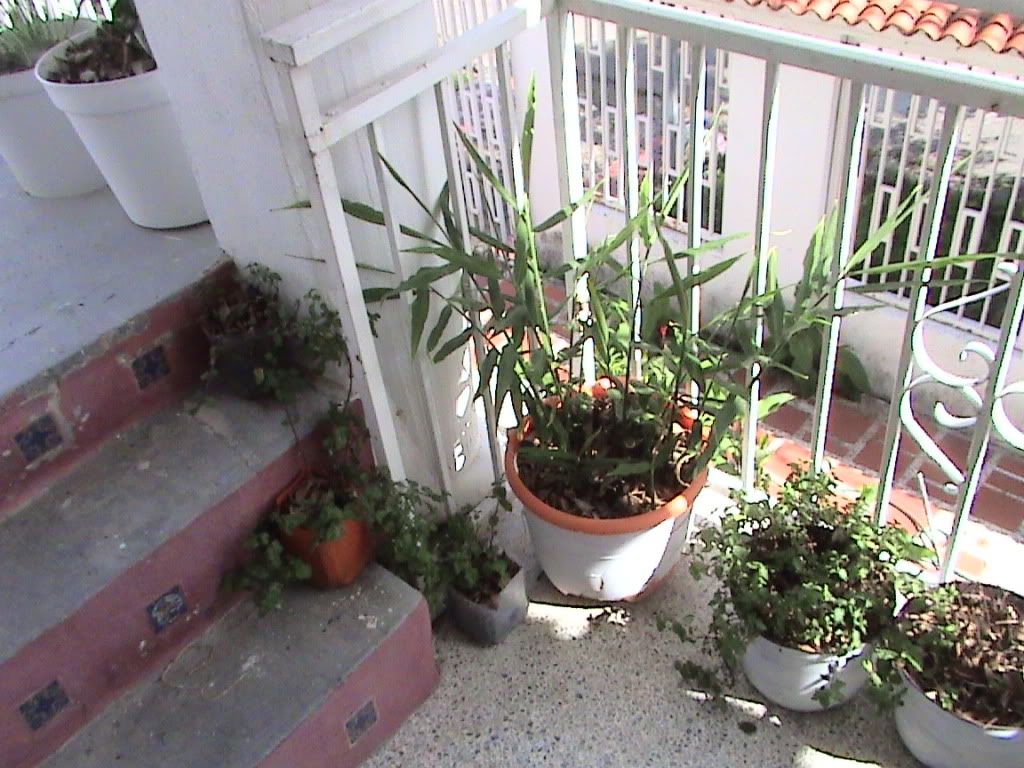


Ginger are propagate by planting the rhizomes. They grow in 'sections' that can be broken apart easily, at the joints. The eyes which are called buds, look on each section, plant a rhizome with the eyes facing up toward the soil surface. The rhizomes need to be planted 1 to 2 inches below the surface of the soil, about 15 inches apart. Ginger rarely produces seeds, and when the seeds do form they are sterile. Ginger grows mainly in clump and spreads slowly by rhizomes. Ginger requires a great amount of water.

Ginger is a great container herb that grows well indoors in indirect  light. Ginger will also do good on a nicely on a protected shaded patio. It grows real good with nasturtium, turmeric, and gotu kola in a shady container garden.


Harvesting times will depend on how the ginger will be used. If the ginger is going to be used fresh, the ginger rhizomes will be harvest between 4 to 7 months of age. The older ones 7 to 9 months  which are more pungent, and less fleshy rhizomes are harvested for dried preparations.

If the fresh ginger is finely grated over rice and steamed vegetables, the food will be tasty. The dried ginger can be finely or coarsely ground in a spice grinder and then used in cookie recipes, such as gingersnaps, and oatmeal cookies.

Saturday, January 25, 2014

What Is Astragalus Chinese?


The astragalus Chinese is a perennial herbaceous and it grows well in zones 4 - 11. In the traditional Chinese  medicine it is used as an important tonic herb. It is getting to be more popular here in the western medicine  because the ability to support the immune system.


This plants grows to be three to four feet tall. This plant has pretty, pale yellow, pea flower-shaped blooms that will be from midsummer until frost comes to the area.
Astragalus, Chinese is a native to northeastern China, it seems to prefer sun to partial shade. It likes to grow in sun to partial shade. It grows in open areas or it likes to grow along the margins of treed places, often dry sandy soils.


The propagation of this herb is the seeds has to be stratify for at least three weeks before sowing. Then they have to be scarify and soak in warm water for one hour before, the seeds are planted. The seeds need to be sow directly into the ground in early spring or they can be started indoors early and transplant them outdoors at the last frost date. The plants need to be space fifteen inches apart and the plants need to be water moderately. The astragalus grows as a single plant, but it has a tendency to sprawl a  bit as it gets older.
The astragalus likes to be planted in partial shade to full well-worked soil to grow in.

Roots of the astragalus  are harvested in the fall after the plants are two years old. The average harvesting time is between the third and fifth year of their growth,  but it can vary on where you live and how much  growth has annually. The taproots will require a needle-nose spade or a fork to dig them fully and easily.

The medicinal benefits of astragalus is its ability to offer deep immune system support.


The parts of the astragalus that is used is the roots and the roots can be used either fresh or dried.
The home pharmacy uses of the astragalus are medicinal food, syrup, elixir, decoration, traditional tincture, cider, vinegar tincture, honey and powder.

Medicinal Food Use

There is one way that the astragalus root is use for immune system support and this is done by adding a small amount [about 1/4 cup of dried cut and sifted root to the soup kettle and let it simmer over low heat, for several hours. It just becomes another ingredient in the soup and doing this
regularly will keep the immune system at its best.


Monday, January 6, 2014

What Is Yucca?


Yucca is a herbaceous that is a perennial and it grows in zones 5 to 10.

This herb is used in many different number of ways. The leaves are made into baskets, fabric, twine, and mats. The root is the medicinal part and the flowers are delicious.


The Yucca will grow to fifteen inches and taller.

Yucca  likes to grow in arid regions, but they can also grow in moist areas. They like to have wide open, sunny places and the soil needs to be well drained. They can be found common for distrurbed areas.

Their blooms are large, real, pretty, cream-colored blooms that everybody will see in late spring and through the summer.


The propagation of the yucca is done by the seed being stratify for three months in the freezer or for putting the seeds in moist sand in the refrigerator for two weeks. Seeds can be sow d ty will need to be supply wiextra heat for optimum gerand growth. The

germination percfor treated seed,


Thursday, November 21, 2013

What Is Turmeric?


Turmeric is a tender perennial herbaceous that grows in zones ten to eleven. It grows to twelve to twenty-four inches tall.

Turmeric is used for a powerful due that for paper and fabrics, and it can be used medicinal. It is a delicious spice that is often used in curries.

Turmeric likes to grow in a prefers a shady, moist habitat., . It  is a tropical plant that likes to grow in tropical forests.

This herb is propagated by root divisions. I divide a fresh root of turmeric into pieces, and one of the pieces has an eye because this is where to root will sprout. Plant each piece side by side and I will plant the root pieces about two inches. I will need to keep the pot in a warm place and keep the soil evenly moist. Turmeric takes a long time to sprout. The plants needs to be spaced between fifteen to twenty-four inches apart. If I decide to grow turmeric in a container, I have to plant the turmeric in a pot that is fifteen to twenty-four inches in diameter and about eight inches deep.  I water the soil to keep it moist, but not real soggy.

The soil needs to be rich in organic matter and the soil needs to be sandy. When I am growing turmeric in a container, I will provide a loose potting soil mix.

Turmeric is a herb, that does good in a herb that does good in a container. They will  also grow good on shady patio or under trees. Turmeric grows real good in food garden, and I raise it indoors also.

Turmeric needs to be harvested in midwinter. I will need to be cut back the leaves and unearth the roots, taking all the soil away. I will need to use a needle-nose spade or garden fork to take the roots out. I will  harvest what I want and then I will replant the rest.

The root will yield a bright yellow-orange dye that is used to tint fabrics and paper.

So turmeric is a very good herb to have around because of the great benefits.


Tuesday, November 5, 2013

What Is Parsley?


Parsley is a herb that has a plant cycle of biennial and parsley grows in zones 5 to 8. Parsley grows to a height of 12 to 20 inches. Parsley will have white flower umbels blooms when the parsley is two years old.

Different kinds of plants like a certain type of soil, and climate and the herb, parsley, is no different. Parsley is a Mediterranean plant by nature, so this plant will grow better in a drier, hot climate.


Parsley takes a long time to germinate, up to four weeks. But if you or I stralify and soak the seeds, usually the germination process is shorter. Stratify the seeds for at least one week. The day before you plan to sow the seeds, you need to soak them in water for 12 to 24 hours. Germination rate is not 100 % but around 70 %.  Always sow your seeds inside and then transplant outside in mid to late spring. If you are going to sow directly in to the garden you and I will need to do this in early spring. This herb is a clump-growing one and it needs to be spaced 12 inches. It needs to be water moderately.


Parsley does not required any special soil needs. It needs full sun and partial shade.

As far as harvesting goes, you and I can gather any of the aerial parts anytime during the growing season. Now if I am going to use the roots, I will need to dig the roots in the fall of the first year or the spring of the second year, and if you are going to do the same thing, you will have to do the same thing.

A garden fork or a needle nose spade.

The parts  that are used are the aerial parts and roots and  it can be used fresh or dried.

Summary


Parsley is a very good medicinal food and a strong antioxidant. This herb is beneficial  to the digestive tract and urinary tract.


Monday, November 4, 2013

What Is Prickly Pear?


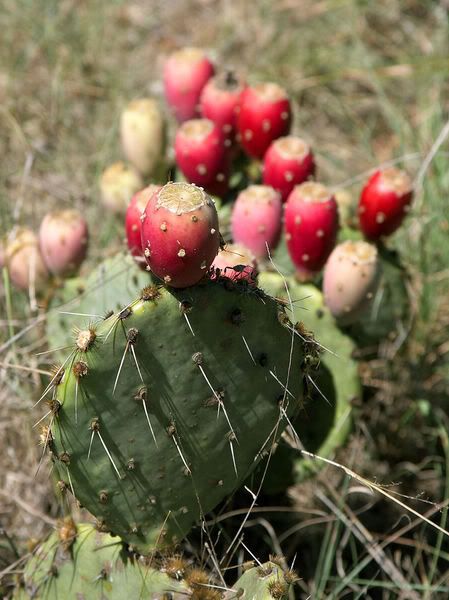
Prickly pear is a herb. It is used by the people that live in New Mexico and the southwestern part of the U.S.A. Adult-onset diabetics is very common in these cultures so prickly pear is used in their diets because this herb helps to maintain good blood levels.

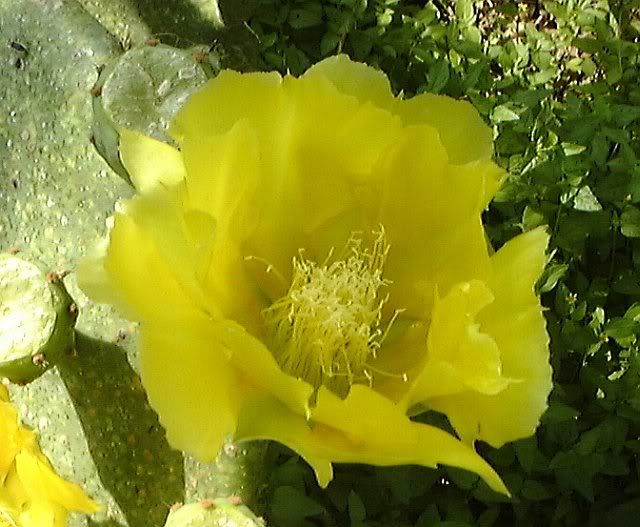
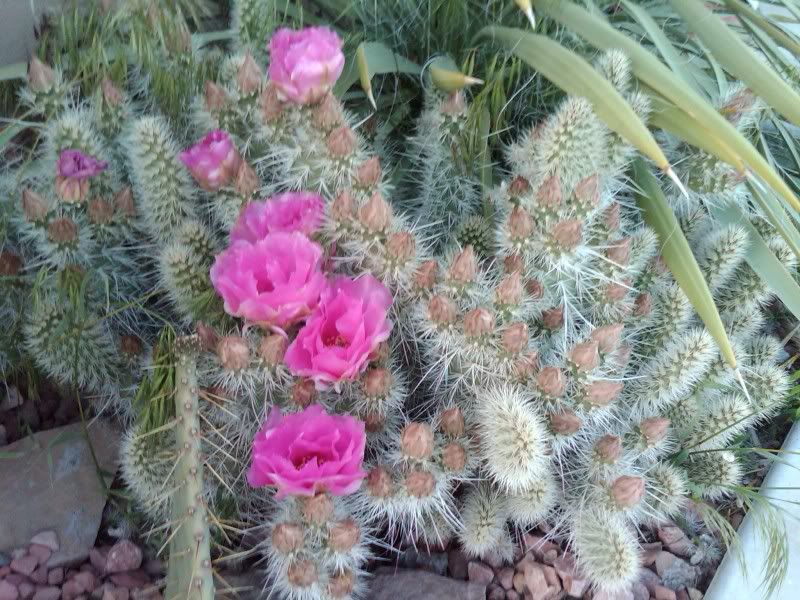
Prickly pear is a perennial and a cactus. It grows in zones 6 - 11, depending on what species you have on hand or I am using myself. The flowers bloom in pinks and yellower, according to which species that I have planted in my garden. They bloom from late spring into early summer.


Prickly pears are desert plants and they grow from high mountain desert regions and also in the lower desert climates. The prickly pears rely on spring rains to help them through the dry summer.


I will need to simulate the desert environment by stratifying prickly pear seeds for 1 to 2 weeks. Just before, I am going to sow the prickly pear seeds, I will need to soak the seeds for 15 minutes in 3 percent hydrogen peroxide. Then sow immediately in a loose soil mix and keep the temperatures warm. As far as germination goes, the rates and time vary greatly from 10 to 70 percent, and 2 weeks to 3 or 4 months. Be patient and keep the seeds evenly moist. When the seedlings are one year old and well established, this is when I can transplant them outdoors. Water the seedlings very good and then wait for a few days before I will water them again. I make sure that I do not water to much. Some prickly pears will spread more aggressively than others. The plants need to be space 12 to 15 inches apart. I always water lightly when mature. Prickly pears prefers full sun and well-drained sandy soil.

When I am harvesting the pods, fruits, and flowers of the prickly pear I should always wear gloves while snipping it. I will need to singe the spines off the harvested plants by using a campfire flame or a butane lighter. After that I prepare the cactus for use.


Prickly pear is good for balancing blood sugar levels and some gastrointestinal complaints. Also it can be use as a skin herb. This is the  medicinal benefits.
Summary
 The prickly pear is a herb that is also a cactus. The parts used is aerial parts and use them fresh. It is a perennial.


Friday, November 1, 2013

What Is Rosemary?


Rosemary is a herb that is one of the best antioxidant. It is also good for enhancing circulation. This herb helps increase the oxygen supply to the brain and this helps in sharpening concentration and memory.


Rosemary is a tender perennial herbaceous which grows in the zones of 8 to 11. This herb can grow up to 12 to 36 inches, it can also grow a lot taller..

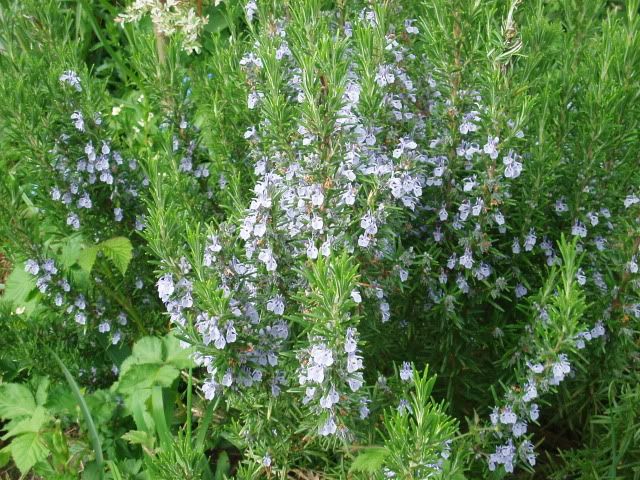
This herb can not go below 38 degree F. Rosemary blooms, blue flowers really well when you have cooler nighttime temperatures to set the flower beds.


Rosemary prefers hot temperatures and dry soil conditions. Rosemary also enjoys  having extra humidity. Rosemary is from the Mediterranean region.


When you are ready to prop age rosemary, you will need to propagate rosemary from tip cuttings. You will need to use a liquid rooting hormone to get better root formation. There are two things that rosemary has to have to be able to  grow and they are good air circulation and extra warmth. Rosemary's clippings need to be kept moist, but make sure it is not soggy until  the rooting structure gets strong. Rosemary likes full sun all the time. If you want to grow rosemary, you will need to keep the soil well-drained. With rosemary growing in clumps, the plants should be spaced 12 to 15 inches apart. Keep the rosemary water lightly to moderately.

These are some plants that  rosemary grows real good with in community  and they are California poppy, lavender, sonatina, and hyssop.


You can harvest rosemary anytime during the growing season. The part of the plant that you harvest is the aerial parts either fresh or dried.

You can sell fresh at farmer's markets and to chefs for medicinal food.

Rosemary is beneficial for the immune system and also for winter illnesses. Allot of the digestive tract, the respiratory system, circulatory system, brain health, and the skin.

Rosemary has allot of different ways that it can help people from one of the best sources of antioxidants along with many different ways.